A terminal diagnosis changes everything, not just for the person receiving it, but for everyone around them. Suddenly there are decisions to make about comfort, dignity and quality of life, often at a point when there's very little energy left to make them. Many families searching for palliative care near Yeovil are looking for exactly this: somewhere their loved one will be genuinely comfortable, and somewhere the whole family can feel supported too.
This guide explains what palliative care actually involves, the signs it might be time to consider it, and what to look for in a home that offers it well.
What Does Palliative Care Actually Involve?
Palliative care is often misunderstood as something that only happens in someone's final days. In reality, it can begin much earlier and continue for months or even years, focused on managing pain and symptoms, and supporting someone's quality of life alongside their illness, not instead of treatment. Marie Curie explains the distinction well: end of life care is a part of palliative care, usually referring to the last year of life, while palliative care itself can apply at any stage after a terminal diagnosis.
In practice, this means pain and symptom management, emotional and practical support for the person and their family, and care that adapts as needs change, rather than a fixed, one-size-fits-all plan.


Signs It Might Be Time to Consider Palliative Care
There's rarely one clear moment. More often, it's a combination of things building up:
-Pain that's becoming harder to manage at home
-Increasing frailty or a noticeable decline in day-to-day ability
-Frequent hospital admissions or emergency visits
-Reduced appetite or significant weight loss
-A family carer who is exhausted and struggling to keep up with medical needs alongside everything else
None of these on their own necessarily means it's time. Together, they usually mean the level of support needed has gone beyond what can be safely or sustainably managed at home.
What to Look for in a Palliative Care Home
Not every care home is equipped for this kind of care in the same way. A few things genuinely matter:
Round-the-clock nursing. Palliative care often involves managing pain and symptoms that can change quickly, so on-site nursing care, not just care assistants, matters. This is worth checking directly rather than assuming.
A calm, unhurried environment. Somewhere that doesn't feel clinical, with space for family to visit comfortably, including outside of formal visiting hours.
Genuine family involvement. Palliative care isn't only about the resident. Good homes actively support the wider family too, with honest communication and emotional support, not just updates.
CQC rating and reputation. It's worth checking a home's most recent CQC report and independent reviews, particularly anything relating to how they handle end of life care specifically.
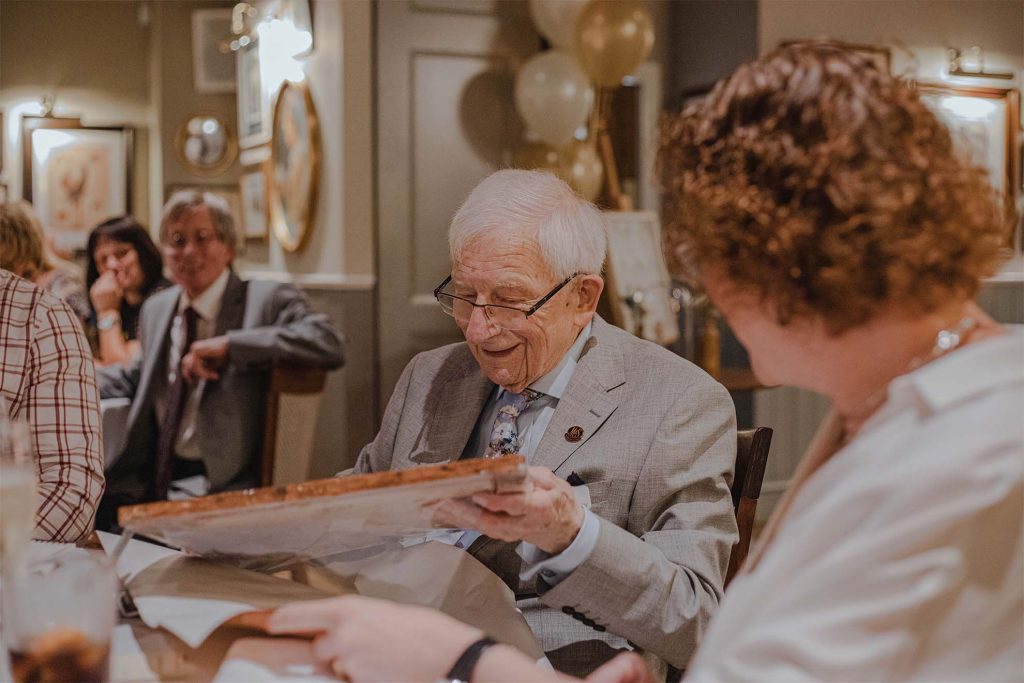
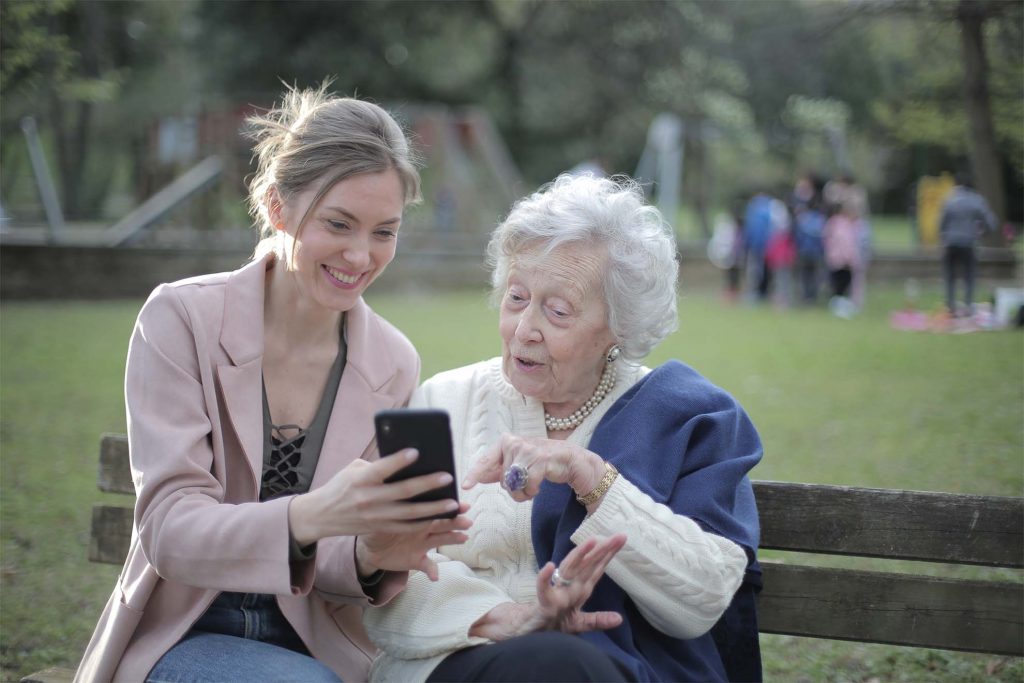
Comfort Beyond Clinical Care: Why Environment and Activities Matter
Palliative care isn't only about managing pain and symptoms, it's also about protecting the small things that make daily life feel worthwhile. A private room where someone can keep their own belongings, family photographs and a familiar chair nearby often matters just as much as any clinical care plan, especially over the months or years an illness can involve.
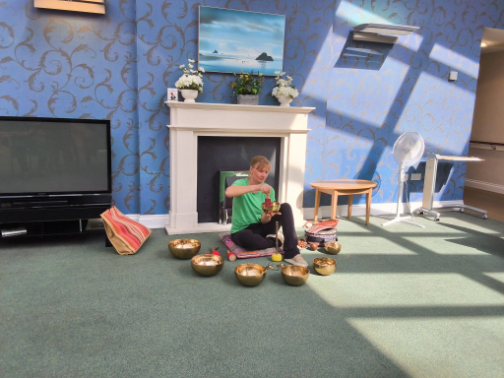
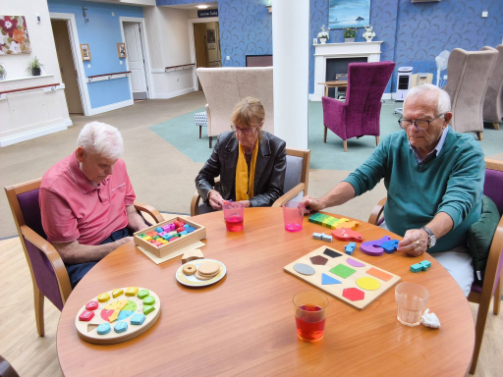
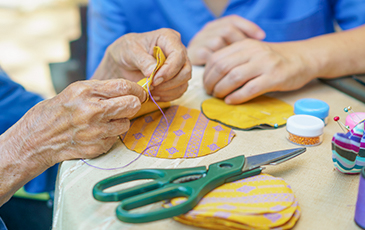
Activities matter here too, though not in the way people often expect. Good palliative care isn't about keeping someone constantly occupied. It's about offering gentle, low-pressure moments of connection: quiet music, time outdoors, a familiar hobby revisited at whatever pace someone can manage that day, with no obligation to join in if they'd rather rest.
At La Fontana, every one of the 76 rooms is private and en-suite, giving residents and their families space to spend time together without feeling like they're intruding on a shared ward. The gardens and small petting farm offer a gentle, low-stimulation way to spend time outdoors, something that can bring real comfort even when energy is limited. For families travelling from Yeovil or further afield, there's also a private dining space where relatives can share a meal together away from the main dining room, which many families say matters more than they expected once they're actually going through it.
None of this replaces clinical care, but it shapes how that care is experienced day to day, and it's often what families remember most afterwards.
Frequently Asked Questions
What's the difference between palliative care and end of life care?
End of life care is part of palliative care, typically referring to the last year of life. Palliative care itself can begin much earlier and last considerably longer, focused on comfort and quality of life alongside a terminal diagnosis.
How do I know if my loved one needs palliative care?
Signs often include pain that's difficult to manage at home, frequent hospital admissions, noticeable decline, or a family carer reaching their limit. It's rarely one single sign, more often several building up together.
Is palliative care only for cancer patients?
No. Palliative care supports anyone with a terminal or life-limiting illness, not only cancer, and can be provided at home, in hospital, in a hospice, or in a care home.
Does La Fontana provide palliative care near Yeovil?
Yes. La Fontana is based in Martock, a few miles from Yeovil, and provides palliative care alongside nursing, dementia and residential care, with 24-hour nursing support.
How far is La Fontana from Yeovil?
La Fontana is a short drive from Yeovil, situated in Martock in the South Somerset countryside.
Palliative Care at La Fontana, Just Outside Yeovil
La Fontana is a purpose-built care home in Martock, just a few miles from Yeovil, offering palliative care alongside nursing, dementia and residential care. The home holds a Good CQC rating across all five key areas, alongside a 9.3 review score on carehome.co.uk.
Palliative care here includes 24-hour nursing support, focused on pain management and comfort, alongside emotional support for family members throughout. If you'd like to understand exactly what this looks like day to day, the Palliative Care page sets out how care plans are built around each resident's individual needs and wishes.
One thing worth knowing before you start looking: good palliative care doesn't stop at the resident. Families are often navigating grief, uncertainty and exhaustion at the same time, and a good home should offer guidance and emotional support to them too, not just clinical care to their loved one. If you'd like to talk through what this could look like for your family specifically, La Fontana's team are happy to have that conversation.