Activities for People Living with Dementia- Supporting Wellbeing Every Day
A dementia diagnosis affects much more than memory. It can impact confidence, communication, independence and daily routines. However, with the right support and environment, people living with dementia can continue to enjoy experiences, social connections and fulfilling days.
One of the most important aspects of specialist dementia care is providing opportunities for residents to engage in activities that bring purpose, enjoyment and familiarity to everyday life.
At La Fontana Care Home in Somerset, we believe activities should never be viewed simply as a way to pass the time. Instead, they should be carefully tailored to each individual, helping residents maintain their identity, confidence and overall wellbeing.
Why Activities Are Important for People Living with Dementia
Engaging activities can have a positive impact on both physical and emotional wellbeing.
For people living with dementia, activities can help stimulate memories, encourage communication, reduce feelings of anxiety and create opportunities for social interaction. They can also provide a sense of achievement and purpose, helping residents remain connected to the things they enjoy most.
While dementia may affect certain abilities over time, it does not remove a person's interests, personality or desire to participate in everyday life.
The most effective dementia activities focus on what an individual can do, rather than what they can no longer do.
Person-Centred Activities Make the Difference
No two people experience dementia in the same way.
Someone who spent their life gardening may find comfort tending to plants, while another resident may enjoy music, art, reading or spending time with animals. This is why person-centred care is so important within a dementia care home.
By taking time to understand a resident's life story, hobbies and preferences, activities can be adapted to feel familiar, enjoyable and meaningful.
At La Fontana, our team gets to know each resident as an individual, helping us create opportunities that reflect their interests and encourage positive engagement.
Music and Memory
Music is often one of the most powerful tools in dementia care.
Research has shown that music can help unlock memories, improve mood and encourage social interaction. Even when verbal communication becomes more challenging, favourite songs can often evoke strong emotional responses and moments of recognition.
Whether through live performances, singalongs, musical afternoons or simply listening to favourite songs, music can bring joy for residents living with dementia.
Creative Activities and Self-Expression
Creative activities provide residents with opportunities to express themselves in ways that do not rely on memory or conversation.
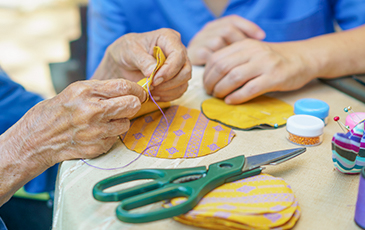
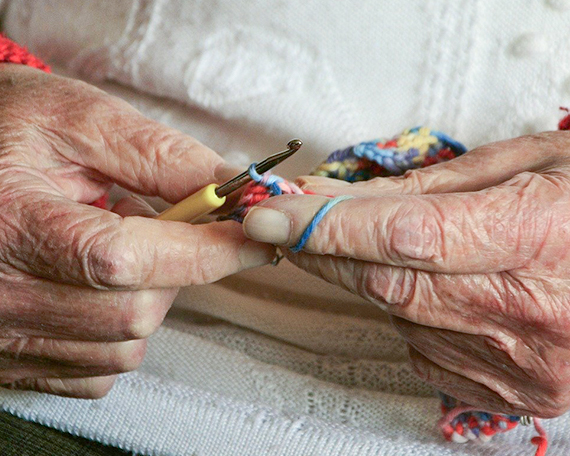
Arts and crafts, painting, drawing and seasonal projects can help stimulate creativity while providing a sense of achievement and enjoyment.
Creative sessions are not about producing perfect results. They are about participation, expression and enjoying the process.
Many residents find these activities relaxing, while also benefiting from the social interaction they encourage.
Gentle Physical Activity
Remaining active is important at every stage of life, including for those living with dementia.
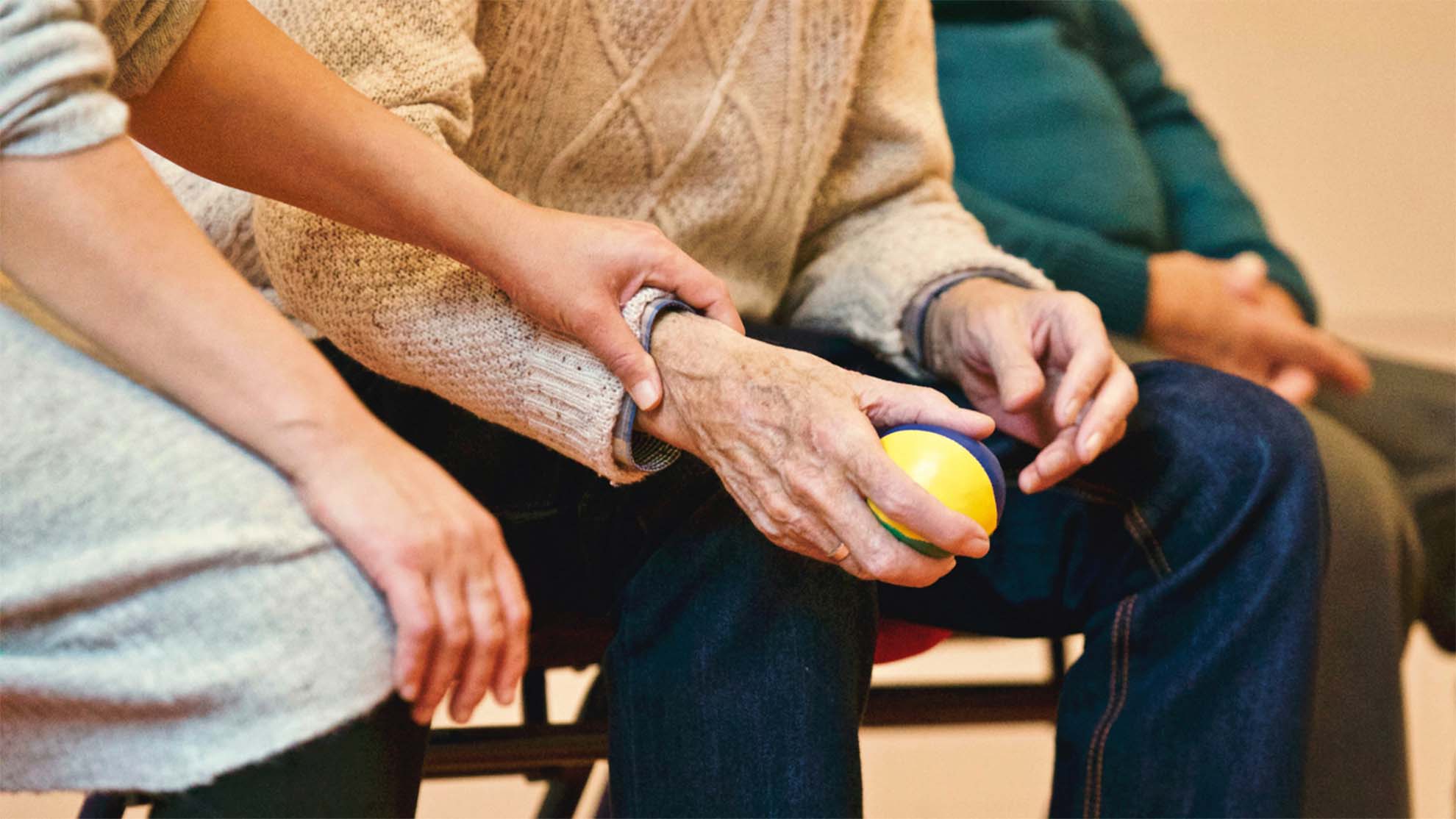
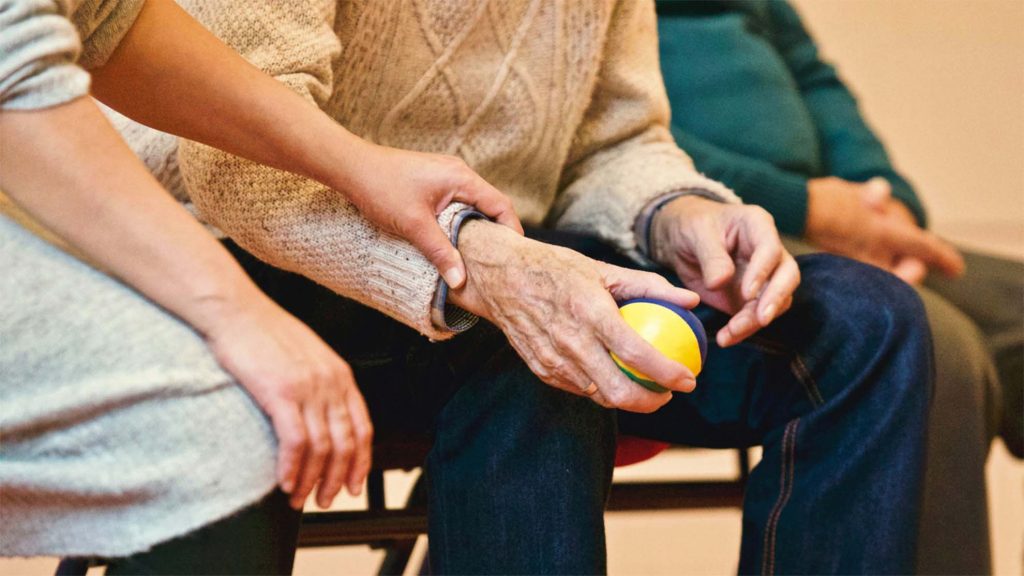
Gentle movement can support mobility, balance, circulation and overall wellbeing. Activities may include chair-based exercises, stretching sessions, walks in secure outdoor spaces or movement-based games designed to encourage participation.
Physical activity can also help improve mood and promote better sleep patterns, contributing to a greater sense of wellbeing.
Reminiscence Activities
Looking back at treasured memories can be particularly important for people living with dementia.
Reminiscence activities may involve discussing life experiences, looking through photographs, exploring familiar objects or talking about historical events and local traditions.
These activities help residents reconnect with their personal history and often spark conversations that strengthen relationships between residents, families and care teams.
Sensory Experiences
Sensory activities can be especially beneficial for people in the later stages of dementia.
Experiences involving touch, smell, sound and sight can help provide comfort, reduce anxiety and encourage engagement.
Examples may include handling familiar objects, flower arranging, baking, sensory boxes, aromatherapy or spending time outdoors enjoying nature.
These simple experiences can create moments of connection and calm throughout the day.
Social Activities and Community Connection
Maintaining social connections remains important for people living with dementia.
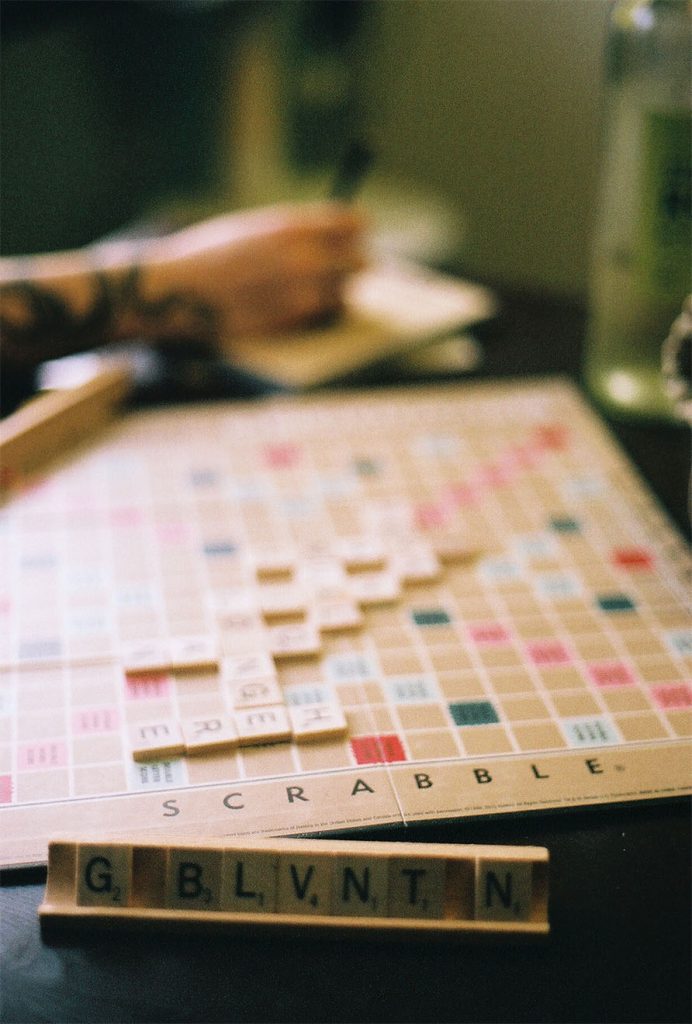
Group activities help residents build friendships, share experiences and feel part of a community. Whether enjoying themed events, celebrations, games or visits from local entertainers, social engagement can help reduce feelings of isolation and encourage confidence.
At La Fontana Care Home, creating opportunities for residents to connect with one another is an important part of everyday life.
Family Involvement in Activities
Families play a valuable role in helping care teams understand what activities are most meaningful to their loved one.
Sharing information about hobbies, careers, favourite music and personal interests allows care teams to create experiences that feel familiar and enjoyable.
Families are often encouraged to participate in events and activities, helping maintain important relationships and create new memories together.
Dementia Care at La Fontana Care Home
Quality dementia care is about much more than providing support with daily tasks. It is about helping people continue to live fulfilling lives, surrounded by opportunities for connection, enjoyment and purpose.
At La Fontana Care Home, our specialist dementia care focuses on understanding each resident as an individual. Through personalised support, engaging activities and a welcoming environment, we help residents continue enjoying engaging experiences every day.
By creating activities that reflect personal interests, encourage social interaction and support wellbeing, we aim to help every resident feel valued, comfortable and connected.
Frequently Asked Questions
What activities are best for people living with dementia?
The best activities are those tailored to the individual's interests, abilities and life experiences. Popular activities include music sessions, reminiscence activities, arts and crafts, gardening, gentle exercise and social events.
Why are activities important in dementia care?
Activities help support emotional wellbeing, cognitive stimulation, social interaction and overall quality of life. They can also help reduce anxiety and encourage confidence.
Can people with advanced dementia still participate in activities?
Yes. Activities can be adapted to suit all stages of dementia. Sensory experiences, music and one-to-one engagement can be particularly beneficial for individuals with more advanced dementia.
How do care homes choose activities for residents with dementia?
Person-centred dementia care involves learning about a resident's hobbies, interests and life experiences. Activities are then tailored to reflect these preferences and encourage engagement.
Does La Fontana provide specialist dementia care?
Yes. La Fontana Care Home provides specialist dementia care in Somerset, with personalised support and engaging activities designed to promote wellbeing, comfort and quality of life.
Discover Specialist Dementia Care at La Fontana
At La Fontana Care Home, we understand that activities play an important role in supporting wellbeing, confidence and quality of life for people living with dementia. If you would like to learn more about our specialist dementia care in Somerset, our friendly team would be delighted to answer your questions and arrange a visit to the home.