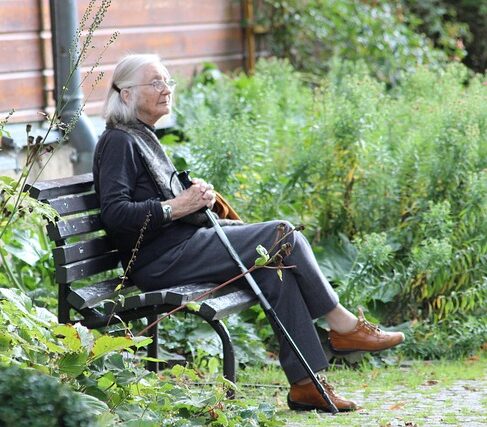
What Is Dementia Care in a Care Home?

When someone you love is living with dementia, everyday life can slowly become more complicated. Memory changes, confusion and difficulties with communication can make once-simple tasks feel overwhelming, both for the person experiencing dementia and for the family supporting them.
At some point, many families begin to ask an important question: What does dementia care in a care home actually involve?
A dementia care home provides specialist support for people living with dementia in a safe, structured and supportive environment. Trained care teams understand the challenges dementia can bring and provide personalised care that protects dignity, promotes wellbeing and adapts as needs change.
This guide explains what dementia is, how dementia care homes support residents and how specialist care can improve quality of life for both individuals and their families.
Understanding Dementia
Dementia is a broad term used to describe a group of conditions that affect memory, thinking, communication and behaviour. It is a progressive condition, meaning symptoms gradually change and increase over time.
The most common forms of dementia include:
Alzheimer’s disease
Vascular dementia
Mixed dementia
Lewy body dementia
Each form of dementia affects the brain differently, which means the experience can vary from person to person. Some people may initially struggle with memory or confusion, while others may experience changes in mood, behaviour or communication.
As dementia progresses, individuals may begin to need more support with everyday tasks such as personal care, mobility, medication and eating. This is often when families begin exploring specialist dementia care options.
What Is a Dementia Care Home?
A dementia care home is a residential setting specifically designed to support people living with dementia.
Unlike standard residential care, dementia care homes are structured around the unique cognitive, emotional and physical needs of people with memory-related conditions.
Care teams receive specialist training to understand how dementia affects behaviour, communication and decision making. This helps them respond with patience, empathy and reassurance when residents experience confusion or distress.
Dementia care homes also focus on creating environments that feel calm, familiar and safe. Consistent routines, familiar surroundings and supportive relationships help residents feel more comfortable and secure in their daily lives.
At La Fontana, dementia care is built around the individual. By learning about each resident’s history, preferences and personality, the care team can deliver support that feels personal and reassuring.
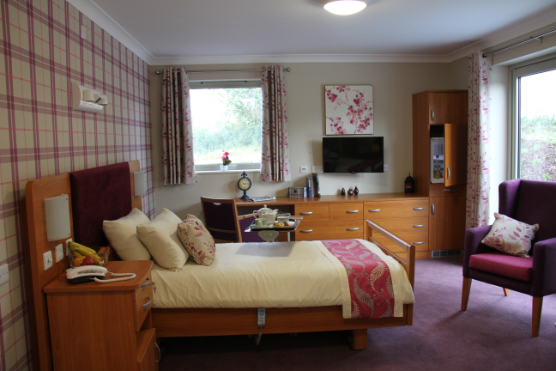


Supporting Someone With Dementia at Home
Many families care for a loved one with dementia at home for as long as possible. With the right support, this can be a positive and meaningful experience.
However, as dementia progresses, care needs can become more complex.
Family carers often find themselves supporting with:
Personal care
Medication management
Safety supervision
Nutrition and hydration
Emotional reassurance
Managing confusion or behavioural changes
Over time, these responsibilities can become physically and emotionally demanding.
Families may notice changes such as increased wandering, disrupted sleep, falls or difficulties eating and drinking. When these challenges begin to affect safety or wellbeing, it may be time to consider additional support from a specialist care home.
When Should Someone With Dementia Move Into a Care Home?
One of the most common questions families ask is:
When is the right time for someone with dementia to move into a care home?
There is no single answer, as every situation is different. However, there are several signs that specialist dementia care may be beneficial.
These may include:
Increased risk of falls or wandering
Difficulty managing medication
Challenges with personal care
Significant memory loss or confusion
Changes in behaviour or mood
Increasing stress for family carers
Equally important is the wellbeing of family members providing care. Caring for someone with dementia can be emotionally demanding, and seeking additional support is often a compassionate decision that protects the health and wellbeing of everyone involved.
A dementia care home can provide round-the-clock care, reassurance and structure, allowing families to focus on maintaining their relationship with their loved one rather than managing complex care responsibilities alone.
How Dementia Care Homes Support Daily Life
Dementia care homes aim to make daily life as comfortable and familiar as possible.
Residents receive support with everyday activities such as personal care, mobility, meals and medication, while being encouraged to remain as independent as possible.
Daily routines often provide gentle structure, helping residents feel more secure and less anxious. At the same time, care teams adapt these routines to suit individual preferences and abilities.
For example, staff may support residents with:
Morning routines and personal care
Nutritious meals and hydration
Gentle physical activity
Social interaction and meaningful activities
Medication management
Rest and relaxation throughout the day
The goal is not simply to provide care, but to help residents live comfortably, safely and with dignity.

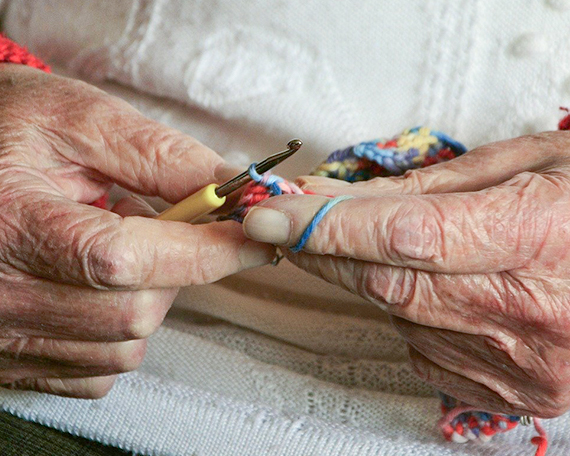

Supporting Emotional Wellbeing
Dementia affects much more than memory. It can also affect a person’s sense of identity, confidence and emotional wellbeing.
Quality dementia care recognises that emotional support is just as important as physical care.
Care teams build strong, trusting relationships with residents, offering reassurance during moments of confusion or distress. Consistent staff teams, familiar routines and calm surroundings all help create a sense of security.
Simple moments such as conversation, shared activities or quiet companionship can have a powerful impact on wellbeing. These interactions help residents feel valued, understood and connected to those around them.
Managing Complex Care Needs
Many people living with dementia also experience other health conditions such as frailty, mobility challenges or long-term illnesses.
When dementia occurs alongside other medical or physical needs, this is often described as complex care. Care homes are equipped to manage these overlapping needs through experienced care teams, tailored care plans and close collaboration with healthcare professionals.
Support may include:
Mobility assistance
Pain management
Nutritional monitoring
Medication support
Continence care
Emotional reassurance
By addressing both physical and cognitive needs together, care homes provide a coordinated approach that adapts as conditions change.
The Importance of Personalised Care Plans
Every person living with dementia is unique. Their life history, personality, preferences and routines all influence the way they experience the condition. This is why personalised care planning is a key part of dementia care.
Care plans are developed in partnership with residents, families and healthcare professionals to ensure support reflects individual needs.
At La Fontana, care plans are regularly reviewed and adapted as circumstances change. Families are encouraged to share information about their loved one’s routines, interests and past experiences, helping staff deliver truly person-centred care.
Creating a Safe and Supportive Environment
The design of a care home can make a significant difference for people living with dementia.
Clear layouts, calm colour schemes and familiar spaces can reduce confusion and help residents navigate their surroundings more easily.
Safety measures are also carefully balanced with independence. Residents benefit from supervision and support while still having the freedom to move around comfortably within the home.
At La Fontana, the aim is to create a warm, homely environment where residents feel relaxed, respected and secure.
Supporting Families Through the Dementia Journey
Dementia does not only affect the person living with the condition, it also has a profound impact on families.
Loved ones often experience a mixture of emotions, including worry, sadness, guilt and uncertainty about the future.
Care homes support families through open communication and partnership. Regular updates, involvement in care planning and opportunities to visit and spend time together help maintain strong connections.
This collaborative approach helps families feel reassured that their loved one is receiving the care, attention and compassion they deserve.

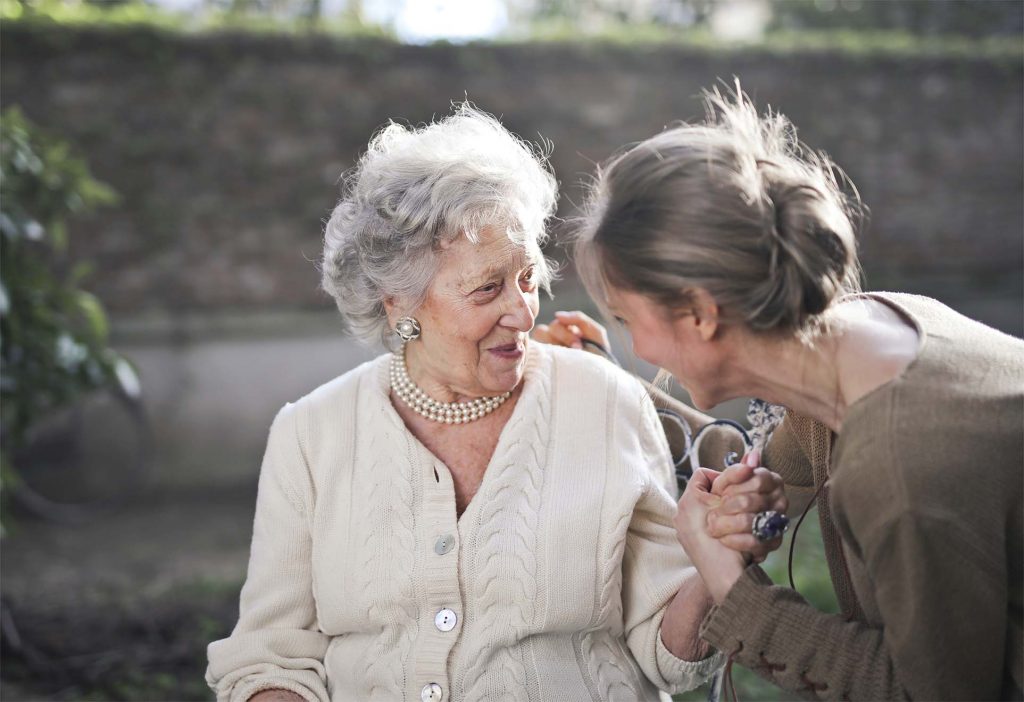
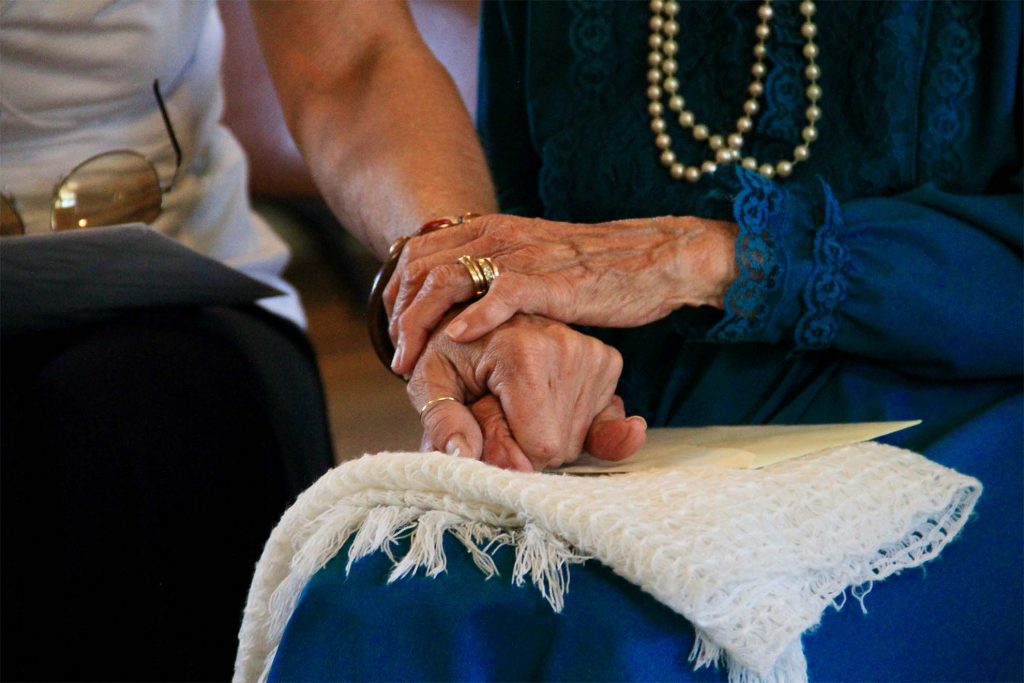
Life in a Dementia Care Home
Life in a dementia care home is designed to provide comfort, routine and meaningful connection.
Residents are encouraged to take part in daily activities, social interaction and gentle exercise at a pace that suits them. At the same time, care teams remain attentive to each person’s individual needs and wellbeing.
For residents with more complex care needs, additional support is provided to ensure safety, dignity and comfort at all times.
The focus is always on creating a supportive environment where residents can continue to feel valued and respected.
Dementia Care at La Fontana
At La Fontana, dementia care is delivered with compassion, patience and expertise.
Located in South Somerset, the home provides a calm and welcoming environment where residents living with dementia receive personalised support tailored to their needs.
By combining specialist dementia care with experienced complex care support, the team at La Fontana ensures every resident receives the attention and reassurance they deserve.
Finding the Right Support
Understanding dementia care homes can help families make confident decisions during what is often a difficult time.
The right care environment can significantly improve quality of life, offering safety, companionship and professional support while allowing families to remain closely involved in their loved one’s life.
At La Fontana, dementia care is centred on dignity, respect and compassionate support every day.
If you would like to learn more about dementia care or discuss the needs of a loved one, our team is always here to help.